Showing posts with label Review. Show all posts

Saturday, 20 February 2016

Dense and Bludgeoning: The Infernal Sea - The Great Mortality (2016)

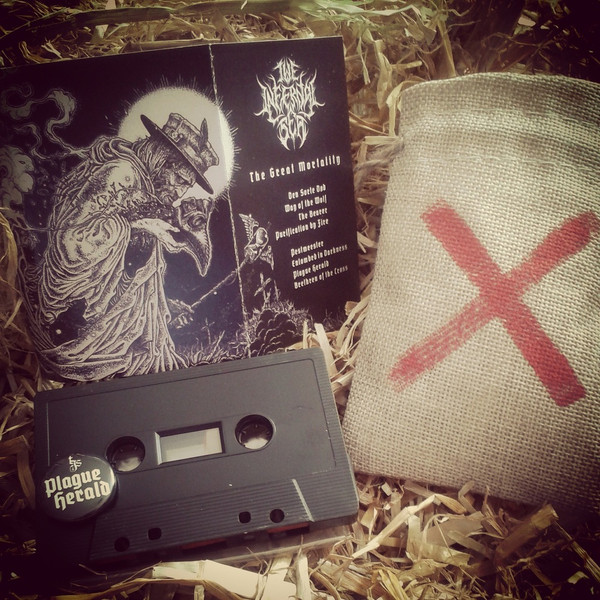
The Infernal Sea - The Great Mortality
Bandcamp: https://theinfernalsea.bandcamp.com/
Facebook: https://www.facebook.com/theinfernalsea/?fref=ts
I remember seeing The Infernal Sea maybe two years ago; I had gone in blind and wasn't sure what to expect when they took to the stage, hoods-up, donning plague doctor masks, their backs to their crowd and the lights dimmed. What followed was a gritty, abrasive and unrelenting sound that cast the audience into a sickening trance. At their core the The Infernal Sea are straight-forwardly black-metal with their already deadly attack tipped with poisonous elements of crust and grind. It was a full-throttle, no-nonsense, take-no-prisoners sort of approach that was inherently more evil than a lot of corpse-paint clad exhibitionists. Most importantly, however, is that the band managed to mesh that abstract notion of  'atmosphere' with riffs and aggression. 

The Great Mortality is dense and bludgeoning, its pace of attack at full-throttle from the very beginning. In a sense it reminded me initially of a more sulfurous and smog-filled Absu with its overwhelming yet seemingly well-organised chaos. Spurts of melody mixed with clouds of ethereal eeriness do manage to rise to the surface occasionally, clashing against the constant black-metal attack; in 'The Bearer', for example, the wisp sound of a flute or pipe of sorts, together with clean vocals, emerge - Anaal Nathrakh-esque - from the maelstrom. The song transitions into a passage of  industrial noise as a solemn guitar atop of equally solemn drums,  layered with violins (one thing I certainly not expect to hear) haunts the mid-section of the eight-minute song. This rather unexpected change in pace and tone works nicely; the progression from such dense brutality into  subdued melancholy is a satisfying moment of rest-bite. At six minutes and 30 seconds the song emerges from pensive gloom into a whirlwind of atmospheric tremolo picking, pumping bass and machine-like drumming.


Dean Lettice's vocals - though largely uniform - are sickening throughout: high-pitched, abrasive, and anguished, they are the cries of a man forced to watch the new Ghostbusters movie on repeat for a thousand years. Occasionally they dwell lower in the register - croaking and tormented - but on the whole a constant blanket of sharpness stabs and prods through the mix, often accompanied by a slightly deeper backing vocal that serves to fatten the already full-bodied sound.

I'm surprised - in a pleasant 'just found a fiver on the bottom of my shoe' sort of way - by the variety of sounds in The Great Mortality; simultaneously I'm impressed by the the core black-metal intensity: it's pessimistic, haunting, throbbing with energy and most importantly rammed with good riffs and interesting progressions. The unholy trinity of an album of this sort for me is riffs, atmosphere and flow: The Great Mortality achieves all three. 'Pestmeester', the fifth track, opens with a mid-paced crusty onslaught that is lightly caressed with ghostly chantings and moments of unorthodox disharmony akin to the equally unorthodox approach of French weirdos Deathspell Omega and Spektr. 'Plague Herald' is similar, it's tempo even steadier with traces of, what to me, sounds like a sort of of evil hardcore-punk groove that demands to be headbanged to. The final track, 'Brethren of the Cross', opens with a deluge of hazy guitars before settling down into a more intricate and steady ritual. It really is captivating riff after captivating riff, enhanced by truly pained vocals and solid and dynamic bass lines; the drumming is just sort of there doing its thing, nothing out of the ordinary, but too distractedly abhorrent either. The album as a whole is nothing totally bizarre or original, it's not going to open up your mind to an alternate reality that you didn't know existed, but it will certainly rejuvenate that evil alter-ego - that little black-metal gremlin - that we know exists somewhere in the corner of our brain, nestled comfortably between daily worries and anxieties.

Part Deathspell Omega, part Darkthrone, part Abigor: an unholy trinity channeled, to great effect, into The Great Mortality. It's a richly textured and  has many moments worth revisiting. The Infernal Sea are an integral part of an  interesting and diverse British black-metal scene. Over the last few years many British bands have solidified themselves on the international stage and the diversity of British bands (Winterfylleth, Wodensthrone, A Forest of Stars, Fen, Saor, Voices, Old Corpse Road, Ninkharsag, The Meads of Asphodel, Anaal Nathrakh and many others I've not enough room or patience to list) is incredibly encouraging. The Infernal Sea are one such band carrying the plague-infested banners of the British scene to great heights, and long may it continue.


Monday, 8 February 2016

Expansive and Soaring: Textures - Phenotype (2016)

Textures - Phenotype

Texture's are one of the bands that helped me make the leap from rock/grunge/whatever to extreme metal. It's an odd one, and I'm really not sure how I came across them. Perhaps it can  can be attributed to the intense marketing that Nuclear Blast seem to have for the band. I've noticed, in the build-up for Phenotype, seemingly endless, eternal, posts and links shared for the new album. Maybe it's also Texture's crossover appeal; there are certainly elements of djent, mathcore, and even hardcore littered among layers of progressive and technical extreme metal. 

2011's Dualism was an incredible album, it's a perfect mix of the aforementioned styles. It had a mix of Messhugah inspired polyrythmic riffing, Devin Townsend-esque production and vocal eclecticism, and an spurts of rather dramatic melody (think Soilwork). Phenotype's harsh vocals are more diverse compared to Dualism's: flat, almost toneless, modulated, gruff bellows - sometimes moving into hardcore territory - interplay with lengthier shrieks and gutturals. The cleans are powerful, often opposing the mechanical intensity of the harsh vocals; they soar and transition the songs from their polyrythmic riff threads into spurts of epic melody. This clash shouldn't work, but Texture's have great vocalists and, most importantly, technically proficient songwriters, who, after four full-lengths, seem to have honed their particular craft.  There is so much going on in this album, so many tonal shifts, key changes and quick transitions from dissonance to melody to ambiance and back again; Texture's do nothing half-hardheartedly, they seem to embrace the eclectic musical preferences of each band member. So many bands at this end of the extreme metal spectrum attempt to create a sort of symbiotic melodic-dissonant Frankenstein's monster, and where so many bands create grotesque monstrosities with ears for feat and toes for teeth, Texture's amalgamation seems to succeed: they've created a fully-functioning and rather harmonic entity, if at times slightly unstable.

Textures - Photo

The opening track 'Oceans Divide' is a flurried attack of precise and rapid drumming, rapid riffs and rapid harsh vocals before steadying as clean vocals crack and break in to Devin Towsend-esque shrieks and cries. 'New Horizons' is more catchy, with solos interweaving and vocal hooks aplenty. 'Shaping a Single Grain of Sand' is the heaviest track on the album with interesting riffs and much more anguished, deep gutturals. I'm really not a fan of the hardcore-inspired gang vocals that filter their way in at inappropriate times, and there are, at occasions, spurts of flat and uninspired metalcore riffing, but thankfully it's only brief. 

The longer songs are Phenotype's strong points' 'Illuminate The Trial' is an expansive seven-plus minute song that demonstrates the bands technical proficiency; the drums are outstanding, some of the guitar lines mesmeric, and the progression of the song on the whole is outstanding. Texture's thrive when they have space to play: 'The Fourth Prime' is a song of similar length switches and meanders with a rapid fluidity. The final two songs - the soft piano interlude 'Zmam' leading in to the dull ballad 'Timeless' - are needless extras glued on to the end of the album, and I really hoped that the album would continue with the expansive depth of the longer songs. 

Phenotype certainly won't be popular among elitist (wherever they roam); it's ultra clean sounding, it has soaring mid-range clean vocals and the occasional gang-chant: that gaggle at ANUS.com will be writhing with agony at it's sound, crying in to their Sammath LP's. This is an extremely dynamic and expansive metal album, there are some truly awe-inspiring moments, but also some moments of flatness. I'm not sure if it's better than Duality, there's maybe too much going on here, too much fragmentation, and I'm not sure if I'd like it as much if they hadn't had such an impact on me when I was initially getting in to extreme metal. It's near enough impossible to be completely impartial; at the same time, impartiality is rather flat and uninspiring.


Thursday, 4 February 2016

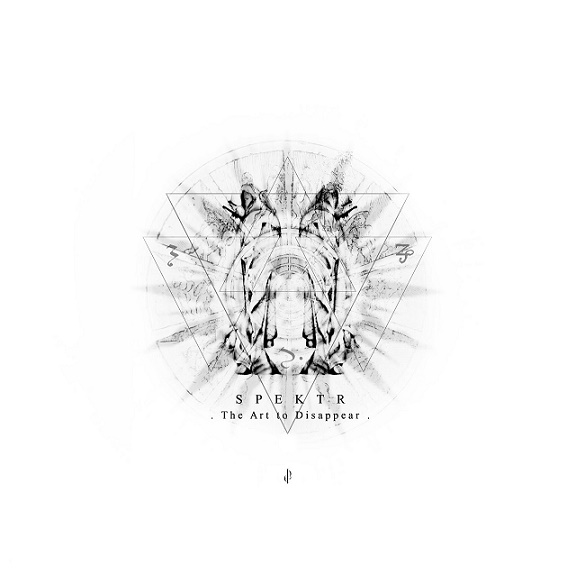
Unsettling Disembodied Ambiance: Spektr - The Art To Disappear (2016)

Spektr - The Art to Disappear

It's fitting that France - the symbolic centre of western free-thinking and experimentation - keeps churning out some of the most unconventional and exciting extreme metal. Spektr are one such band with their use  of unsettling industrial ambiance that echoes against walls dripping with sharp and detailed black-metal aggression and atmosphere. The strength of The Art To Disappear comes from its ability to merge the sparse and cloying unnatural qualities with a forthright black-metal fury. To quote from their Bandcamp page:
 'SPEKTR is a myserious French Black Metal duo, known for their experimental and mind-altering approach to extreme music.
The band takes delight in delivering an infinitely dark, at times psychotic aura, and transmuting the Black Metal reins into a loose form. Shrouded in a veil of vocalless, industrial and ambient-infected secrecy, the duo's music stands as a metaphore for a trip into the unconfortable uknown.'


The Art to Disappear is entirely instrumental with the odd spoken-word sample drifting in from the dark. On the whole the album relies on a rich array of unconventional sounds and musical progressions. It's an album that demands complete attention otherwise it will wash away in to the background; in my opinion this is not a weakness, it has lots of subtleties that slither with a quiet assurance, subtleties that collide with spurts of furious black-metal noise. 

The ambient sections are regular and haunting; disembodied spoken word sections crawl from churning industrial noises. 'Kill Again', for example, is a nightmarish interlude made up of sharp synthetic noises and glitching pockets of vocals that repeat and throb. The ambient passages really do create a sense of unease. 'The Day Will Definitely Come' begins with a hollow distant sound before a robotic grating scrapes through; at 2.24 it stops, drowned by a low two-tone buzzing sound which is soon drowned by piston-fast double-bass drumming. There is a lot going on, a lot of stopping-and-starting, frequent changes in sound and speed; it does work to create an unsettling and unstable environment, and although it may annoy some, I think its fragmented quality is an interesting and powerful tool. There is a fine line between complete disconnection between sections, but The Art To Disappear manages to maintain a thin sense of fluidity that spawns from the repetition of particular sounds, tropes and riffs - brief some may be - that reoccur throughout.

Spektr - Photo


Riff-wise the album is very interesting. Dissonant, almost toneless, feedback and echoing makes way for semi-conventional riffing. The guitars in 'Through the Darkness of Future Past', similar to recent Inquisition, have a wavering vibrato; 'From the Terrifying to the Fascinating' has a Deathspell Omega feel riff-wise - atonal, occasionally spastic - before completely transcending the realms of extreme-metal. The song morphs in to down-tempo electronic section reminiscent of  Massive Attack's hypnotic trip-hop. Angular riffs storm in again, merged with what sounds like giant industrial bellows expelling air. 


The ten-minute closing track, 'The Art to Disappear', is what it all seems to have built up to. It begins with flowing jazz-like solo drumming and psychedelic reverberations much like the dark tones of The Kilimanjaro Darkjazz Enzemble. The guitars and bass come in at 1.25 as cymbals crash in a mid-paced groove and as the bass throbs. The drumming grows more frenetic as the song enters its black-thrash phase, they have a synthetic industrial quality and like a frantic press they pummel holes through the intense spurts of the album. The riffs remind me a lot of Blut Aus Nord's sound on Memoira Vetusta, in that it has a similar melodic diversity and atmospheric scope. At 4.30 the song goes silent as a voice crackles above a drum groove, saying: 'we have seen illusion and reality begin to overlap and fuse. The line between them begins to disappear'.

The whole thing is a surreal trip, a dreamlike out-of-body experience where nothing seems natural or real, where nothing is solid and definite; it's a diverse and richly textured sci-fi horror world where consciousness seems to have detached from the body. The album fades out to nothing as the voice continues to glitch and fragment and the drums stutter, it all seems a culmination to the process of disappearing. The Art To Disappear is an ambitious album that has been meticulously arranged and executed.

Bandcamp: https://agoniarecords.bandcamp.com/album/the-art-to-disappear


Tuesday, 2 February 2016

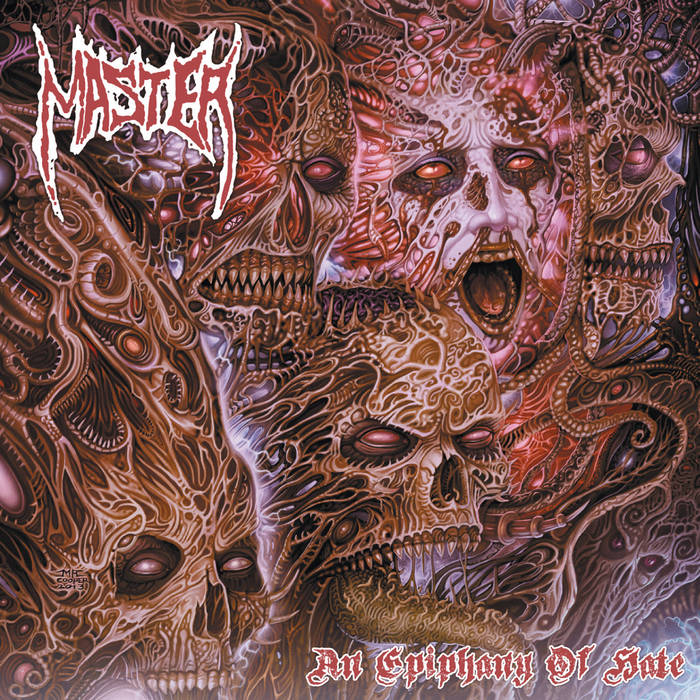
Ear-Splitting Grit: Master - An Epiphany Of Hate

Master - An Epiphany of Hate

Master are prolific and consistent. Originally based out of Chicago, vocalist and bassist Paul Speckmann relocated Master to the Czech Republic where they channeled their aggressive anti-establishment driven sound towards the USA from the Balkan state. Master's first and second albums - Master (1990) and And On The Seventh Day God Created...Master (1991) - are underground gems: intense death-thrash with the odd quirk and melodic touch. Part Motorhead, part Autopsy. An Epiphany Of Hate is the 13th full-length release in Master's consistent speed machine and it's an example of a band who know their instruments and the weight and power of their music like the back of their gnarled, old-school hands.

An Epiphany of Hate is frantic throughout. Ear-splitting and intense, it's got a reasonably clean and full sound but it's never sterile; the hazy chaos and natural anger still filters through. There is a melodic touch and a thrash-like playfulness throughout: songs pick up pace and groove with a gravel-like consistency as dual-guitars soar and squeal and riffs progress and the drums weigh in like frenetic jackhammers. 

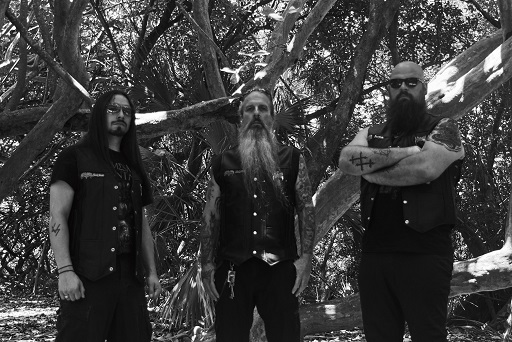
Master - Photo

There is certainly remains a violent death-metal edge to the music, however. Speckmann's vocals are particularly malicious, grunting like a  rabies infested dog-zombie from one song to the next. In 'Friction Soon Becomes Reality' he spits and froths with an incessant dread that can't be stopped. The vocals in 'An Epiphany Of Hate' morph into something out of a Cronenberg movie: pig-like snorts and inhaled rumblings merge with a hardcore-punk forthrightness. Speckmann is a great vocalist; there still remains a legible human quality to them and, similarly to Autopsy and Obituary, a real sense of emotional vulnerability that a lot of contemporary death-metal, on the whole, seems to lack. 

There are a lot of memorable moments on this album: 'Face Your Fear' quite literally breaks down towards the end with guitar strings warping and wobbling as the song is tasered to a stop; 'It's Clearly Eden' breaks in to Morbid Saint and Demolition Hammer fury with catchy lyrics and a solid groove and the album closer 'Red Alert' journeys from a traditional mid-paced sound to a frantic thrash extravagance as dirty solo leading on to dirtier solo in a grittier Megadeth-esque fashion.

An Epiphany of Hate is 44-minutes of extremely well-crafted death-metal. The album is littered with memorable moments. Speckmann has an knack for songwriting and an ear for melody that many more 'traditional' death metal bands seem to lack. It has the intensity of death-metal, the aggressive political stance of hardcore-punk and the playfulness of speed/NWOBHM. A very enjoyable album.


Sunday, 31 January 2016

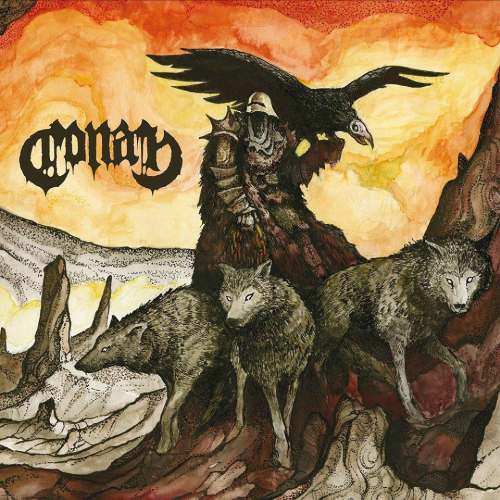
Caveman Battle Doom: Conan - Revengeance (2016)

Conan - Revengeance
Facebook: https://www.facebook.com/conandoom/?fref=ts
Twitter: https://twitter.com/HailConan

Sleeping giants rise as chariots circle. A hand of steel rains fire as the earth cracks and fury spews from below. Steeds flee up mountainsides as blacks shapeless warriors hunt, a choking black cloud follows their every move. Revengeance is the soundtrack to an ancient and mystical warfare, the battle-cry of desolate armies, the dying moments of a monumental battle. Conan are oppressive doom titans from the North-West and with their third album Revengeance have chiseled a much more complete and well-rounded album from the carrion remains of Blood Eagle and Monnos.

There is a much greater urgency from the get go here as 'Throne of Fire' begins with a rapid fire barrage of doom speed before the song crawls to a pained stop. The disharmonious duel vocals breakthrough the slabs with power: the deep, airy gasps of bassist Chris Fielding cling to the surface like smog while Jon Davis' battle cries pierce like a poisonous arrow. They have a primal vulnerability that works so well. The song picks up pace again as the drumming comes to life: a rising giant. 

'Thunderhoof' begins with a less deep and cavernous riff, the song climbs higher, crawling up the mountainside. It's repetitive, imprinting it's fuzzy hooves into the memory.  The fourth track, 'Wrath Gauntlet', is slab after slab of drawn out doom that creaks and ruptures from all angles. It's a vast and loud sound: the guitars, as expected, are fizzing and flaming war-hammers. Conan are unforgiving andm carrying on the with ancient warfare imagery, they confront you from head-on, looking you in the eye as they gallop towards you with obscenely large war-hammer in hand. Revengeance - on the surface - is not subtle, it won't sneak up on you and cut your throat (although the drumming is rather nuanced and subtle at times).


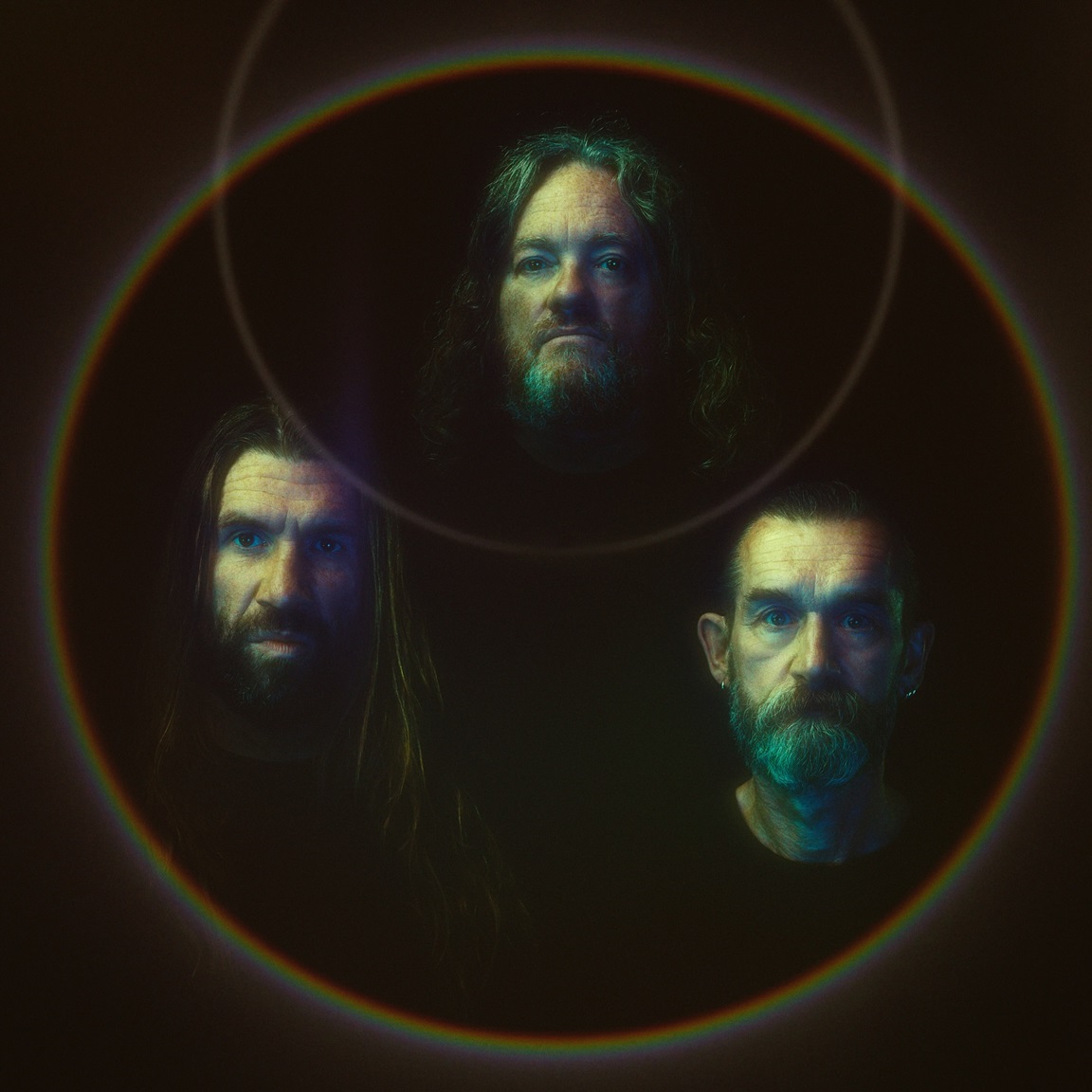
Conan - Photo


With the speed of a thousand burning rocks hurled from catapults 'Revengeance' begins, striking in its change of pace following 'Wrath Gauntlet'. The single from the album is a stampede of sound: the thumping mammoth heavy drumming is littered with meaty blast-beats, the guitars also intensify with mid-paced riffing and high pitched feedback. There is a much greater diversity throughout Revengeance as a whole; the second half especially espouses a more classic doom sound with the occasional stoner-desert-classic sounding riff progression. Beneath the thick crust of fuzz, 'Every Man Is An Enemy', solid riffs dance among the chugs. 'Earthenguard' opens with a Kyuss desert-rock trembling, slowly finding a groove: a victorious army swaggering around - or fleeing from - the battlefield. It cascades into demented Mastodon-esque vocals with a heavy plodding rhythm. The drums once are once again  are captivating: new - for this album - drummer Rich Lewis really fits in. I'm not a drum expert but in them seems a vaguely jazzy fluidity that counteracts with the rigid slabs of sound from the guitars. A slow saxophone sounding solo emerges at 9.20 as the drums also cannonball and explode, it's a really glorious ending to the album.

I've always really appreciated Conan for there no nonsense and no vvimps approach to the doomier side of metal. They have a great aesthetic and their albums set an incredible tone and paint powerful images. (Also their album artwork is my favourite in metal; check out the artwork of Anthony Roberts here). Some may say that they are repetitive, but, in my opinion, that's their strongest weapon; they build their songs, layer on layer, slowly and simply but to great effect. Long may battle doom continue.


Friday, 29 January 2016

Vast Oceanic Melodies: Solifvgae - Avenoir (2016)

Avenoir cover art
Bandcamp: https://solifvgae.bandcamp.com/
YouTube: https://www.youtube.com/channel/UC6uuzqhsdtu-xkY1HYgu-sQ
Facebook: https://www.facebook.com/solifvgae/?fref=ts


Avenoir is 'the desire that memory could flow backward'. Avenoir the album, the debut release by Brazilians Solifvgae, is one of longing and loss, looking backwards only to be swallowed and sunk by the miseries of memory; the lyrics of 'Undertow': 'farewell my father, I’m heading out to search for answers into the deep. the vast unknown awaits me, my new destiny', are shrieked with an anguish that overlays an intense spurt of abrasive dissonance: whirling guitars build in scope to a melodic intensity, the bass - extremely loud in the mix - punches its way through like a clogged heart, and the drums are typical in their black-metal mechanical pounding. But Avenoir is also a very tender album: it opens with a sea hissing and rumbling, building in volume, as footsteps crunch their way in to the water to be swallowed by the sea; birds chirp, waves lap calmly and a lonely guitar rings with soft angelic ambient sounds as 'Undertow', the second track, begins. The whole thing has a cold static edge but there is a warmth residing just underneath the surface. Subtle yet powerful melodies flows like hot springs beneath a crackling ice-sharp black metal crust. On the whole the production is not clean sounding, but this is not to the albums detriment. The sound comes across as natural and unforced. 


The vocals throughout are diverse and powerful: putrid, steaming black metal snarls that remind me of Inquisition or Enslaved are mixed up with the occasional deep cavernous guttural. But the riffs and the atmosphere in general are the most accomplished feature of Avenoir, In 'Undertow' the riffs transcend, moving from loud to calm, unwinding echoing through the mix as the bass weaves its way around shards black-metal. 

The leads in 'Fullheart' are particularly striking but the bass in particular holds a great power: it's ominous and pounding, the heart-beat of the songs, stomping through the musical depths like a spectre shackled. At five minutes the drums rupture furiously, a barrage of noise rushing in before a wind-blast abrasiveness sweeps in. There is a striking yet simple solo at 6.40 which leads to a powerful ending with the bass strutting around and an angelic ambiance floating through the surf. The entire thing is a smothering blanket of atmosphere. 


'Submerge//Emerge' is 2 minutes 48 seconds of ambiance, the sound of some mystical aura rising and flowing as exotic sounding animals call from the dying sky. A lot of these bittersweet and  cloying atmospheric  interludes and passages remind me very much of the sounds on Danish depressive-doom icons Saturnus's Paradise Belongs To You album. Like that album, the ambiance flows nicely and brings it all together without seeming forced or jarring. 

'Pathway' picks up the pace, waves crashing with more menace, washing memories away. It's filtered with melodic touches and jumpy stop-start riffing. It is - I suppose - the most 'fun' track of the album, although at three minutes it shifts in tone; it slows and becomes more menacing, deep gutturals rise from the deep and darkness seeps. 'Ocean (As Elusive Memories)', the final song - on an album that I wish was a bit longer - begins with a foreboding grumbling before exploding into life with melodic death riffs, bellowing gutturals and an aggressive intensity. At  four minutes 35 seconds there is another incredible sounding riff - it reminds me of the epic melodic leads in Winterfylleth's 'A Thousand Winters' - that resonates like the sound of a siren. The song has that rich, vast, cosmic scope of sound and atmosphere that I loved so much in Mare Cognitum's Phobos Monolith. It's a fitting conclusion to a very good album.

This album has come out of nowhere really - I was scrolling through bandcamp and spotted the striking album art work - yet I find listening to it once through, then playing it from the start, not something I've done since  Panopticon's Roads To The North. It has so many memorable moments, such a great atmosphere and aesthetic and, despite not the greatest of productions, a real edge to it. For a debut release I'm incredibly impressed and really look forward to seeing how their sound evolves. 


Rating: 8.5/10

Wednesday, 27 January 2016

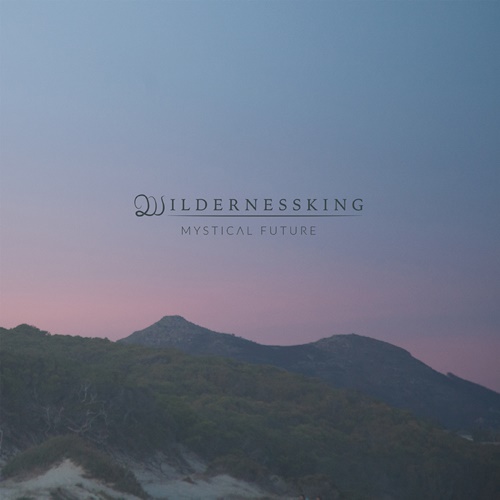
Mystical Melancholy: Wildernessking - Mystical Future (2016)

Wildernessking - Mystical Future
Bandcamp: http://wildernessking.bandcamp.com/album/mystical-future
Facebook: https://www.facebook.com/Wildernessking
Youtube: https://www.youtube.com/channel/UCvN9kk42WyQ2AjlG3Zevd1g

Spectral figures emerge from the sea, waves as white horses, reaching forests thick with memory; to the top of mountains where voices echo from the past, where the black oceans sit in the distance - a swallowing void;  from the mountains down to the rivers where voices sing and an ethereal air clashes with the cold unruliness of its flow, a river that drowns sanity and consumes dreams, a nature unforgiving to man.  Mystical Future is not your typical frost-bitten corpse-ridden barren black-metal snore-fest, instead it carries a personal struggle and a vulnerability cloaked in mystical longing and human suffering. Mystical Future is an honest and powerful album and it is in Wildernessking's ability to fuse explosive energy and aggression with somber meditations and sadness that is this albums greatest achievement.

Mystical Future has the hazy warmth of Lantlos' Melting Sun and the sweeping, vast melodic soundscapes of Panopticon and Fall of Rauros. There is an extreme-metal core here that is layered with influences from the vast musical spectrum - post-rock, shoe-gaze, ambient, progressive - but Mystical Future feeds off the dissonance and abrasiveness of black-metal and dwells in the vast cosmic realms of atmospheric black-metal. It maybe lacks a misanthropy inherent in your typical black metal as the band come across as more human and less cold: they're not consumed by the flaming inferno of self-hatred and misanthropy that so many conventional bands hold close. Wildernessking are more concerned with human issues: personal loss, self-reflection, longing, and existential fears.

Atmosphere and feeling smokes from every corner of Mystical Future. The guitars melt in to one another and reverberate throughout, the drums crash with a tenderness and the vocals, high-pitched and floating like fog, permeate through the drifting tenderness and abrasive anger to great effect. There is a beautiful solo in the opening track that cuts through the music with a twinkling poignancy counterbalanced by the piercing cries of vocalist and bassist Keenan Oates. The bass sings throughout the record carrying, like veins, the energy and life-force of much of the album. The drumming throughout the record is also powerful - the snares are quite audible, but it's a pleasant sound - particularly towards the end of the final song, 'If You Leave', where they gallop in to the mystical future with textured force.

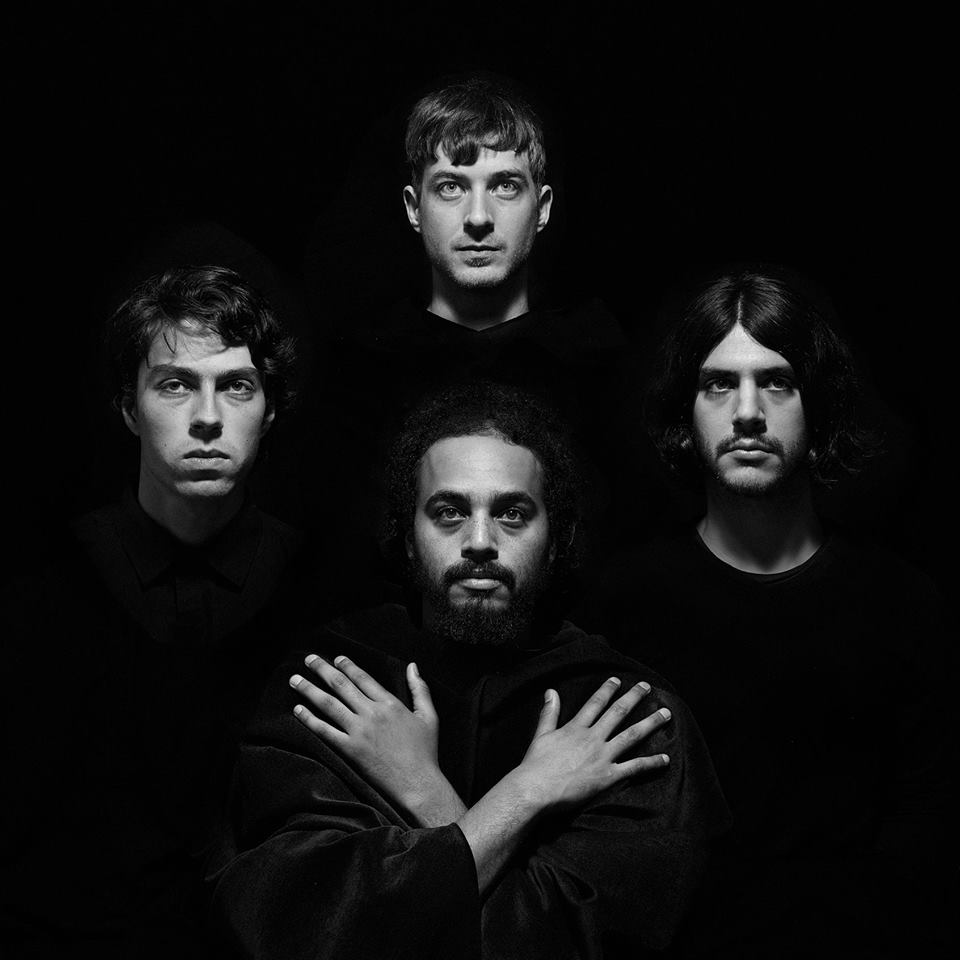
Wildernessking - Photo

There are well thought out riffs and transitions throughout; 'I Will Go To Your Tomb' opens with intense double-bass drumming, melodic tremolo riffing, sharp screams and layered leads before clawing to a steadier rhythm as a darker atmosphere siphons its way in to the song from the stars. The song picks up again as drums hasten and vocals become more maniacal, guttural and evil. The song progressions are captivating, layers and elements are added and taken away to great effect, it's not just a wall of sound, everything seems carefully plotted and positioned.

'To Transcend' is a reflective and poignant instrumental track that attempts to solidify the atmosphere Wildernessking are trying to create. It's not too long, it's interesting enough in that it's not purely ambient: bass, drums and vocals faintly waltz in a dirge-like pattern, leading up to 'With Arms Like Wands', another intense and cavernous eight-minute journey. The black-metal side of things picks up here with incessant dissonance grating from the get-go, before slowing down with the leads harmonising together. I really love the leads in this album, I get a real Fall of Rauros vibe from them and that's a really great thing.


'If You Leave' opens cautiously, it's the last track and at 13-minutes something vast is expected. Atmosphere drips from every corner as female clean vocals - in the same vein as Chelsea Wolfe - fade in and ring atop of floating reverb-drenched guitars. The gruff hush of vocals intercedes and the song builds layer upon layer, bitter melancholy on top of bitter melancholy, toppling as the bass drumming intensifies.  It does feel that, after being stripped bare, with nothing left to give, the album fades into the setting sun, sizzling off mountainsides, steam rising, glistening into the night. It's a satisfying closure to a powerful album.

I knew that I'd like this album based off the tracks I had heard a few weeks prior and I haven't been disappointed. This album has everything I like in atmospheric black-metal: it's not overly reliant on external sounds to create atmosphere, instrumentation is used with a particularity and a diversity that is so much more powerful than the sound of birds chirping or flat violins played from a keyboard. It's top-of-the-range atmospheric black-metal from the most unlikely of places (Cape Town, South Africa) and I'm sure Wildernessking will continue to create powerful music like this for a long time to come.

Rating: 8.75/10


Tuesday, 26 January 2016

Album Review: Borknagar - Winter Thrice (2016)

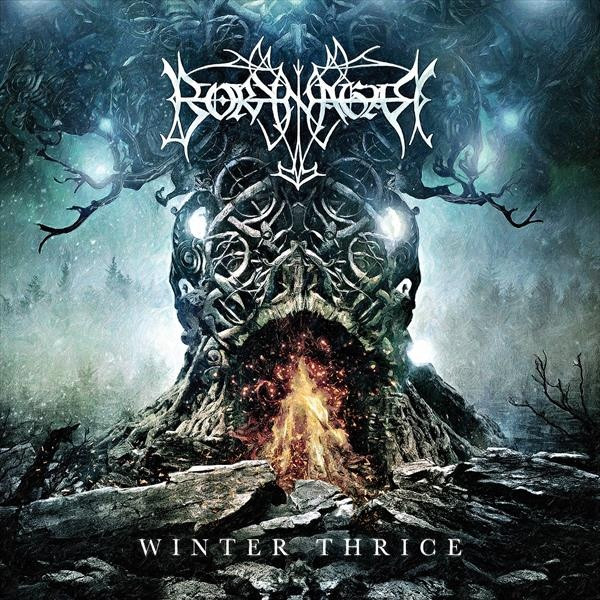
Borknagar - Winter Thrice

Not many bands do majestic and sweeping melodies as well as Borknagar; there's a real sense of grandeur, of mystical heroism and spiritual power, in many of the songs on Winter Thrice. It's a richly textured album with a lot going on. The first four tracks are exceptional; they're unpredictable and beautifully arranged, each song has its own fingerprint and own path to tread. It all falls under the theme of winter: groaning frost and eternal blizzards, the rhymes of mountains and ice draped rocks; it's a harsh yet harmonious landscape and, as in 'Panorama', 'Everything grows, Everything Dies.' Erosive black-metal collides with soaring folk-melodies, the best songs on this album are those that waltz between intense spurts of black-metal and melodious clean passages inlaid with tender keyboards, harmonious vocals and acoustic caressing. Occasionally, as in 'When Chaos Calls', the two worlds combine, one world flows in to the other, and this is when this album is at its best, when these tender melodies merge with abrasive shrieks and pounding drums.

The two pre-released tracks that open the album are incredible songs that lift the album to the summit of frost-topped Norwegian mountains from the get go, it's hard to top such a great opening and the rest of the album attempts to break free from its mountainous shadow. They may have been more powerful placed elsewhere in the album, as a centre piece perhaps, or as a mighty culmination at the end.

Borknagar - PhotoThe clean vocals in 'Winter Thrice' are fantastic; the rotation of vocalists works perfectly, each singer has a certain tone that reacts with the others and the song so well: Lazare has a soft melodious voice that seems to long for something, Vortex has a powerful idiosyncratic whoop, more fierce, Garm - of Ulver - comes in with a more depressive drawl before Vintersorg's shrieks infiltrate from the external cold. I like clean vocals when done right, and Borknagar are masterful.

Some songs fall a bit flat in comparison, the intensity and the diversity isn't kept up, 'Noculent' is rather bland with its folk hard-rock conventionality, but it leads in to the pummeling snow-blast opening of 'Terminus', There is a strong progressive element to this album. 'Terminus' and 'Panorama' are prime examples of this with modulated keyboard sounds not far from something by Yes. 'Panorama' is different and playful, it reminds me of Ihsahn or Solefald, it does seem Lazare - founding member of Solefald - had a much greater role in this album. ICS Vortex isn't as prominent, which is a shame.

The second half of the album, in comparison to the first, isn't as instantly memorable, there were no sections that hooked me like 'Rhymes of the Mountain' and 'Winter Thrice' did. It's a solid record all together, but it could have been so much more. It's certainly on par with Urd, in my opinion. They're consistently great and because of this so much is expected of them. 


Rating: 7.5/10

Sunday, 24 January 2016

Album Review: Megadeth - Dystopia (2016)

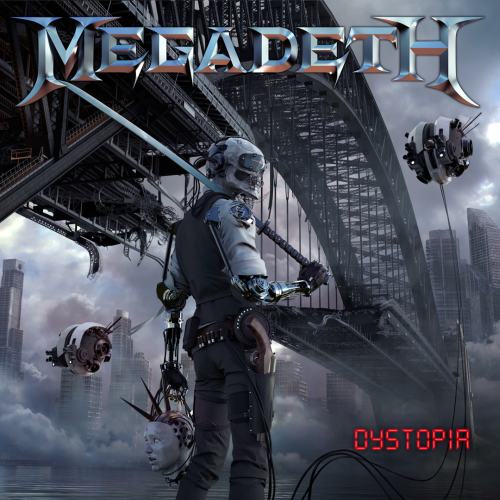
Megadeth - Dystopia

Dystopia is very good. It has the energy and diversity of a rejuvenated band; Mustaine seems more intense and angry throughout, his vocals seem gruffer, his snarls more menacing and the tone of the album as a whole owes more to the angsty political persona of early Megadeth, heavily influenced by hardcore-punk bands like Fear ('Foreign Policy' is a Fear cover). Kiko Loureiro and Chris Adler are a near perfect fit for this refreshed sounding Megadeth: Adler's rhythmic and frantic pedaling brings back a pummeling speed-thrash edge and Loureiro's progressive-eccentricities (he has three writers credits on the album) brings about a rather flamboyant and creative touch. 

It's a diverse album with tempo-changes, spiralling solo after solo, acoustic passages, melodies and groove galore and, I think to it's minor detriment, there is perhaps too much indulgence, or if not indulgence too much going on; the speed-thrash aggression pops up from time to time and that intensity mixed with progressive touches is when Megadeth are at their best, but too often it does not maintain that intensity, rather it slows down to a more groovy, still quite angry, and melodic NWOBHM-esque sound. It's ultimately down to taste, the slower tracks really aren't bad at all.


The first three tracks, the three singles,  maintain a thrash-energy that permeates from song to song; 'Dystopia' is a great Megadeth song with a melodic groove and sleak transitions; it has an underlying aggressiveness that seems genuine, not forced. 'Fatal Illusion' opens with a crunching riff leading in to Ellefson's punchy bass popping into the mix alone segueing to dual guitars and the trademark Mustaine snarl: It's well written and certainly heavy-metal, a long way from the hard-rock filth that was Super Collider.

Following on, 'Death From Within' seemed a little uninspired, it's steady and bland riffing littered with quite interesting licks, the drumming interesting, but it was all quite conventional; it didn't quite manage to reclaim the energy from the previous songs, although this would probably be the best song on Super Collider. 

'Bullet To The Brain' illustrates the importance of an imaginative rhythm guitar; Kiko and Mustaine interplay, they are both near-virtuoso's and they're not afraid to flaunt it: the solos soar and switch between dramatic and frantic, soft and forceful, the guitars sing as they harmonise and fluctuate back and fore. Kiko and Mustaine really seem to work well together. And Kiko's influence is even greater on the next three songs - 'Post American World', 'Poisonous Shadows', and 'Conquer or Die!' - as Kiko is attributed, along with Mustaine, with writer credits. These three tracks feel a lot more different: the acoustic opening to 'Poisonous Shadows' is a well-placed rest, there is an atmosphere that doesn't feel too cheesy or forced. The three songs have that progressive-power metal eccentricity that one attributes to Angra. But, and this one of my few gripes, my issue is that, although these three tracks are decent enough, they seem to stop the album in its tracks; it feels a bit plodding and less furious. 'Poisonous Shadows' is the closest thing to a ballad and, although not bad, is that what we really want from a Megadeth album? We know the band have so much potential, and they've shown us that with some of the previous tracks, so hearing this shift in tone is a bit of a let down. (Still better than Super Collider).


The rest of the album though, following on from the instrumental 'Conquer or Die!' is fantastic; it really sounds like old-school Megadeth at times and, with shitty 80's production values, I'm sure Dave Mustaine could try and palm off a few of these songs as once-lost-now-found unused studio recordings from Peace Sells. 'The Emperor' is another fun, fast-paced melodic gem; it's cheesy and eccentric and idiosyncratic with fantastic musicianship and catchiness (it even has a Tom G Warrior ughhh thrown in): isn't this all we really want from life? 


It’s maybe not a good thing that my two favourite tracks on first listen were covers: ‘Foreign Policy’ a cover of 80’s hardcore-punk band Fear and ‘Melt The Ice Away’ (a Spotify bonus track, so it probably should not count, but I listened to it as part of the album before realising) a Budgie cover (Welsh hard-rockers from the 70’s). Before knowing this I had noted the punk-thrash simplicity of 'Foreign Policy' and it made sense after finding out it was a cover. Even as a cover it's a fantastic track, each member really shines through. The same can be said for 'Melt The Ice Away', Chris Adler in particular has some great fills.

All in all I am pleasantly surprised by this album. I was expecting it to be good based off the singles and based off Mustaine's recent return to a reasonable level of sanity. It really does have that unpredictability and diversity that Megadeth do so well: solos melt in to solos, solos fuse into grooves and eccentric bridges, bouncing bass interludes merge with gruff snarls and diverse drumming. It's extravagant but still espouses an 80's thrash-hardcore-punk sentiment that Megadeth seemed to be missing before. The lyrics, I find, still make me laugh - more likely cringe - at times, but this is Dave Mustaine, he's more of a stereotype, a cardboard cut out of a rock-star these days; he seems a bit more normal but he is still an anomaly. Dave Mustaine is a concept, an idea, a feeling, a movement deep inside of us all; he is human - well, half-human half-robot - and so I can forgive him. 

It's better than Super Collider!
Rating: 8.25/10

Tuesday, 19 January 2016

Tree Toppling Sludge: The Lumberjack Feedback - Blackened Visions (2016)


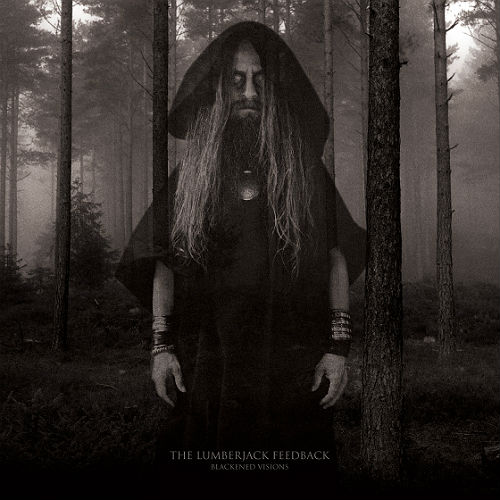
The Lumberjack Feedback - Blackened VisionsIt's the sound of trees toppling over, roots ripping up from the ground and flailing like mindless tentacles; it's turf and mud and rocks being fired high into the sky as vertical slams to horizontal: the sonic boom lays waste to all. I imagine this album to be the aftermath. The Lumberjack Feedback - based in Lille, France - play an oppressive instrumental sludge with intricate and textured Melvins-esque drum work, pounding bass heavy riffs similar to Old Man Gloom and Omega Massif, and black metal inspired progressions and structures. 

Blackened Visions - released on the 12th of January - is a captivating and detailed album. It's an abrasive and heavily distorted tree toppling tree to the face: trance-inducing build-ups collide with intense bursts of aggression. The songs weave and thrust their way through: 'Blackened Visions' will coil around your brain, draining your life force.  There are actually two drummers rather than one octopus armed man, as I initially thought, that have have the simultaneous intensity of a jackhammer and the subtlety of something subtle.  


If you like industrial drones, grating feedback, intense and nuanced drumming, slow and sludgy riffing mixed up with a bluesy-Melvins groove along with melodies and progression - in 'Mah Song' in particular - that sound like something taken from Taake's Bjoergvin, you'll like this. 


Rating: 8.25/10

Wednesday, 13 January 2016

Album Review: Abbath - Abbath (2016)

Guitar World are streaming the Abbath album here. I've given it a few listens, taken it apart and basked in its fury! The album is scheduled for released on the 22nd of this month.
Abbath - Abbath
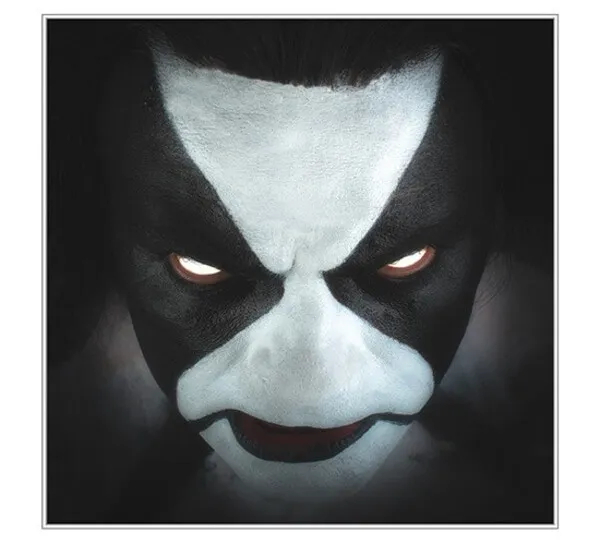
Frost, ice, winter, and death: black metal for the ice hearted. Abbath's self-titled album is pretty straightforward: melodic thrashy riffs; a barrage of whirlwind sound; blasting drums. Yet, this conventionality is it's strongest and most powerful attribute; Abbath knows melody and the riff like the back of his frostbitten hand and years of writing has only honed the ice-precise structure of this album. 

The first track, 'To War!', got me really excited, its sound a chaotic rampage of speedy riffs and snappy snarls, its intense barrage of sound like something from an Absu record, everything at breakneck speed. The drumming on this song and this album as a whole is one of its best features: Creature - also known as Kevin Foley of grind/death band Benighted - offers much more diversity and aggression than your conventional blast-beat repetitive format. With grind and much brutal death relying on nuanced and varied drumming, the drums here feels much more textured than your typical black-metal formula.

Abbath - Photo


There is enough variety here to keep a listener interested: tempo changes and an acoustic interlude in the second track 'Winterbane'; heraldic trumpets and guitar solos in 'Ashes of the Damned'; vocals are more tortured, strained, and snarling vocals in 'Count the Dead'; 'Root of the Dead' is more plodding in pace, even groovy with the bass is jumping about like a lead - in fact the bass is really interesting throughout - King knows his stuff. This is an Abbath album but Abbath doesn't steal the spotlight one bit.


What made Immortal and I so popular were the riffs. And here there are riffs aplenty; they're persistently engrossing and consistently varied. What I like most is the intensity of the tracks here; there is a real thrash/speed energy that underpins the whole thing, and it doesn't lack heaviness thanks to the drumming. I think working with a new - or partly new - band members and maybe not feeling the weight of expectation that a new Immortal record would have had - has give Abbath an icy blast of creative rejuvenation, and although this is not at all groundbreaking or left-of-field, it's fun and thrashy, intense and lively, and there are some evil solos to!  It owes a lot to that playful-buzz and excitement that the best thrash albums give, and it maintains that trademark, cartoonish corpse-paint and ice aesthetic. 

Rating: 8.5/10

Monday, 4 January 2016

The Wonderful and Weird: The Horn

Band: The Horn
Album: The Ancient Egyptian Book of the Dead Volume Fifteen
Released: 1st January 2016
Location: Australia
Style: Pure Egyptian Occult Space Metal (self-dubbed)
For fans of: Septicflesh, Darkspace, Elysian Blaze, Gnaw Their Tongues, Leviathan, Mare Cognitum

The Horn - The Ancient Egyptian Book of the Dead Volume Fifteen


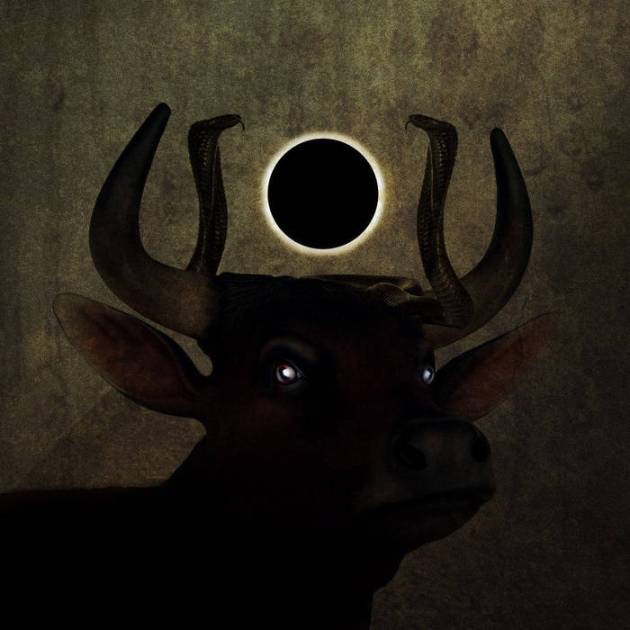
The Horn is an eccentric and mysterious industrial black metal project based in Australia, self-dubbed by sole member ‘A D MacHine’ as ‘Pure Ancient Occult Egyptian Space Metal’, which seeks to set the whole of the Ancient Egyptian Book of the Dead to music. The Horn’s fifteenth album – released this week and, unexpectedly, titled ‘The Ancient Egyptian Book of the Dead Volume Fifteen’ – is engrossing in its mix of choral and orchestral ambience and pummeling unorthodox black metal. This is a well thought out amalgamation of atmosphere, drone and doomy symphony without losing hold of an extrememetal dissonance.
                                                                          
The opening track – ‘Spell 9’ – opens with instantaneous black metal fury, a full and powerful production gut punches from the very get go. This is not indicative of the album as a whole - following this jarring introduction we're sent into the weird world of The Horn where two worlds collide: the ancient mystical essence of ancient Egypt and the desolate unknowing void of space.

The vocals are of particular interest and vary throughout: wispy, croaked, strangled snarls float and sting and regularly seep into a whirling cacophony; spoken vocals modulated and godlike break through and deep guttural vocals rumble.  Lyrics taken from R.O. Faulkner’s translations of the Book of the Dead ruminate throughout – esoteric incantations, mystical and magical spells of the afterlife and ritualistic chanting repeats throughout. 

The soundscape is intricately composed; all sorts of percussive instrumentation has been used to great effect: mandolins, spring drums, bells, shakers, flutes, arghuls and violins seep into a vast extreme metal soundscape that attempts to foot itself in both western and eastern musical traditions which reminds me of more recent Septicflesh, although I find this less forced and more subtle in its implementation. 

The album’s strongest track – ‘Hymn to Osiris – is a mesmeric combination of atmospheric ambience and extreme metal. Following two minutes of ambient calm, evil breaks through again; interesting riffage and driving drums explode into action as orchestral and choir drones flow in the background. At seven minutes all comes to a standstill as schizophrenic stringed sounds fluctuate until earthquake heavy funeral-doom riffs and middle-to-high pitched wispy snarls along with spoken word readings homages to Osiris and the gates of the netherworld layer to end the song: it is a genuinely exciting and epic, reminding me of the expansive and immersive music of bands like Spectral Lore, Mare Cognitum and Progenie Terrestre Pura. There’s a lot to take in throughout the album and it would be wrong to knock such an ambition and thoughtfulness, but at times I wish there was more of a focus on the black metal side of things over the the more long winded drone-ambient passages - with a one hour and four minute run length it can be difficult to be attentive for so long - but this is a minor nit-pick and perhaps, for an album of this scope, such a change in focus would detract from the atmosphere the album creates as a whole.

This is an incredibly inventive album that tries to create something that runs against the grain. Listen to this with good headphones or speakers and appreciate each little nuance and progression that adds to the creation of an unsettling, mysterious atmosphere.

Sunday, 3 January 2016

Album of 2015: Sarpanitum - Blessed Be My Brothers...


"Sniff the fingers, my son. Inhale their odorous toffee. That's right my son, give it a kiss now. When you fight for me, never forget the sweet smell of..." - Pope Fingers

Sarpanitum's 'Blessed Be My Brother's' mixes Babylonian mythological barbarity and desolate apocalyptic heaviness with an ear for seraphic godly melody and subtle harmonious heraldry - this is an album that could only have come out of the UK! With less pomposity: This is a 41-minute monster of an album. It is a colossus, monolithic and meaty album that delivers a brutal sledgehammered serving of death metal with an organic side order of Hellenic influenced touches of melodious sound. 'Blessed Be My Brother's...' manages to balance a pummeling technicality - reminiscent of bands such as Nile, Mithras, Immolation - with subtle ambient layerings and playful, imaginative leads - reminiscent of recent black metal releases by Obsequiae and Nechochwen. I thoroughly enjoy the band's willingness to work in sweet sounding melodies against the ferocity of the drums and rhythm guitar.

Vocal delivery is mixed, ranging from a deep guttural tremblings to a mid-ranged snarls; the drum sound is outstanding and varied, never relying on pure speed and violence, instead really working with the atmosphere created by the majestic guitar lines and choral ambience that haunts from beneath.The production is perfect for the album: it doesn't have that glossy sterility of modern tech-death but it also doesn't  fall too far down  into that muffled, crackly, dissonant old-school death metal rabbit hole that some can't escape from. Occasionally the bass lingers quietly in the background, but other than that the sound is clear and diverse while maintaining a natural energy.

At times I can hear the blackened-death sound of recent Behemoth, but Sarpanitum do it better: Behemoth come across as forcing atmosphere, forcing mystique and awe, and - for me- this comes across as occasionally clinical and unnatural; conversely, Sarpanitum balances the atmosphere and the metal with a tender thoughtfulness: songs transition with an organic subtlety, ambient passages are neither melodramatic nor overbearing; melodies, tonal changes and transitions between riff patterns are on point and dynamic. The album is broken up with two aptly placed ambient passages that work to intensify and transition the atmospheres of the album while giving the listener a brief chance to reflect, and recover, from the skull-crushing intensity. Riffs also have that quality we all hope to find at the heart of an album: headbangability. It is Sarpanitum's ability to merge an atmospheric touch with monstrous death metal dynamism that makes this such a powerful album and for that reason I hold it above my head through the cities of the ancient world as a gift received from the Oracle: my album of 2015.

Bandcamp: http://sarpanitum.bandcamp.com/
Facebook: https://www.facebook.com/sarpanitum
Merch: http://sarpanitum.bigcartel.com/